Chemical Peels
What exactly are Chemical Peels?
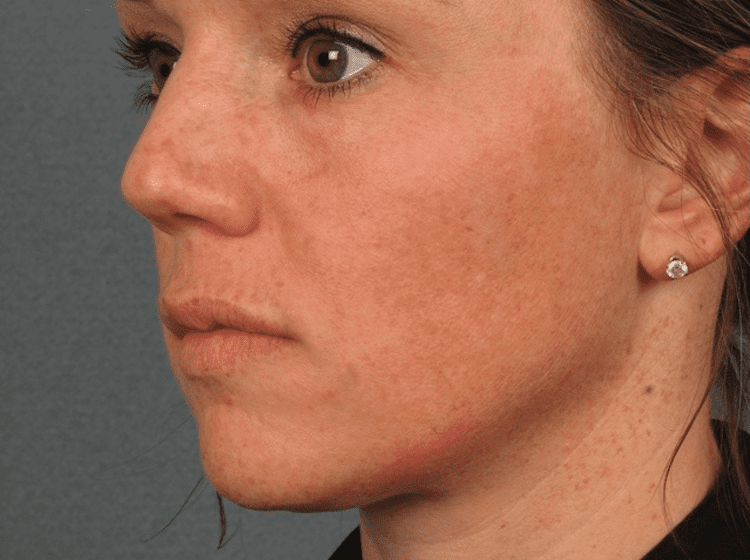
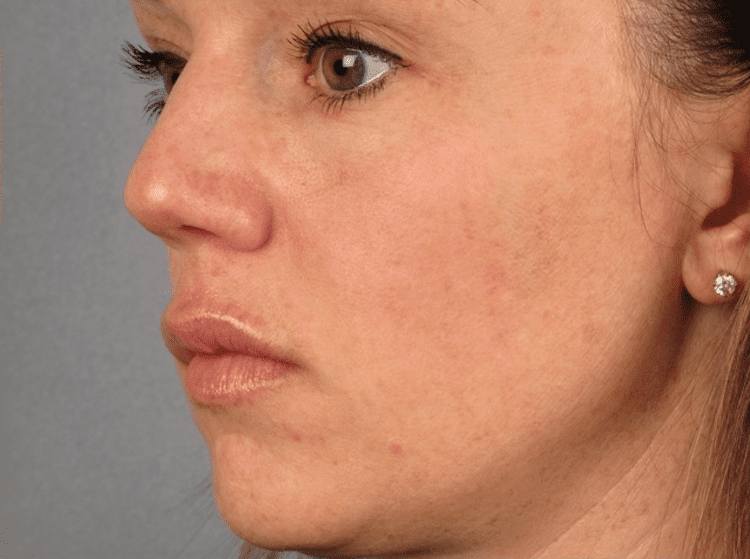
Facial Chemical Peels improves the appearance of the skin through a chemical reaction. For this treatment, a chemical solution is applied to the skin that causes it to separate and eventually peel off the top layers of skin painlessly while rejuvenating at the same time. The new, regenerated skin is smoother, less wrinkled and evenly toned in color. Chemical peels are extremely helpful for individuals who have facial blemishes, wrinkles and uneven skin pigmentation. They also tend to be used with clients in between microdermabrasion sessions as a different method of exfoliation. Many clients feel a combination of peels and microderm give them the best results.

3 Types of Chemical Peels
Progressive
This refers to a treatment that does not usually cause immediate exfoliation and only removes the stratum corneum. As treatments are repeated, the skin will experience a mild sloughing. For best results, a aseries of three to six treatments should be performed one to two weeks apart. They can be used as good “Lead-ins” to mid or deep peels.
Mid-Depth
These peels affect the intra-epidermal layer, and exfoliation occurs within two to three days after application. The skin goes through very little down time. Peeling consists of light flaking similar to a sunburn peel. Mid-depth peels can usually be done monthly for as long as needed.
Deep
These peels affect the deepest intra-epidermal layers. The skin undergoes considerable peeling, which occurs three to four days after application. The entire process takes about seven to 10 days. There is some down time, because generally on days three and four, the skin becomes brown and crusty and somewhat unsightly. The skin peels in large segments as opposed to flaking. These peels can be done size weeks apart.
As a reminder…
It is always important to book an consultation with one of our Estheticians to determine the best option for your skin and your goals.
When determining what treatment intensity to use, it is most important to meticulously examine the skin and assess its condition. Other factors we take into consideration at Xanadu Med Spa include:
-
The strength of the solution used
-
The type of skin
-
The number of times the skin has been peeled
-
Home care use of AHAs, Retinol and Retin-A.
-
Treatment prepping methods
-
Length of time
-
Amount of solution
Chemical peels provide an alternative method for exfoliating the skin. The level of exfoliation can range from very light to very deep, depending upon your needs and goals. We offer several types of peels in order to optimally treat a range of skin types and conditions, including:
- Glycolic- These are lighter peels than chemical peels and are used to improve and smooth the texture of the skin of the face by removing its damaged outer layers. The careful use of glycolic acids will leave your skin as soft and clear as a newborns
- Salicylic- Similarly to AHAs, beta hydroxy acids work by detaching dead cells from the layers underneath to allow for new skin cells to grow instead. Salicylic peels have the smallest molecular structure of the alpha hydroxyl acid (AHA) peel group. It precisely carries the anti-inflammatory properties of salicylic acid that make BHA (Beta Hydroxy Acid) peels effective.
- Trichloracetic Acid Peel (TCA)- These medium chemical peels are highly effective in promoting skin smoothness and vitality. They also improve superficial discoloration and eliminate fine wrinkles. Medium depth peels can be achieved with a variety of chemicals.
- Obagi Blue Peel- This peel is a trichloracetic acid (TCA) peel done in-office and can correct fine lines, superficial scars, minimal laxity and pigmentation problems. It can be done on people of all skin types, but more invasive peels are suitable for those who have very light skin tones. One to four layers of the blue solution are applied and are left on the skin for 25 to 30 minutes. You may feel a slight burning or stinging sensation as each layer is applied. This can be relieved by a cooling fan. The blue tint will darken and show the technician when the peel is finished. This peel can be reapplied at four-week intervals.
- SkinMedica Illuminize Peel- This non-invasive very superficial chemical peel utilizes a novel approach to chemical peeling with a newer generation of alpha-hydroxy acids (mandelic acid and malic acid) in combination with phytic acid and commonly used peeling agents (salicylic acid and resorcinol) to maximize skin rejuvenating effects with low irritation.
- SkinMedica Vitalize Peel- Vitalize Peel helps fight the effects of time, sun damage, and environmental assaults. This non-damaging peel can take years off aging skin.
What can chemical peels correct?
The team at Xanadu Med Spa created a simple chart system to help you receive a better idea of what you can expect from chemical peels.
Chemical Peels Can:
- Correct Sun Damage
- Reduce mild scarring
- Reduce or eradicate wrinkles
- Improve skin discolorations
- Remove blackheads
- Reduce (temporarily) excessive skin oil production
Chemical Peels Cannot:
- Reduce the appearance of or remove broken capillaries
- Diminish the size of pores (though it can remove blackheads, which will help)
- Remove keloidal-type scars
- Achieve results a facelift would achieve
- Improve discolorations on darker-skinned people, such as Asians, African-Americans, Hispanics or Caucasians of Mediterranean descent)
Melanage

The Melanage Skin Lightening System is a superficial peel designed to improve the texture and appearance of hyper-pigmented skin which involves a medicated masque and an at-home regimen.